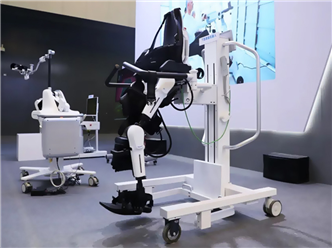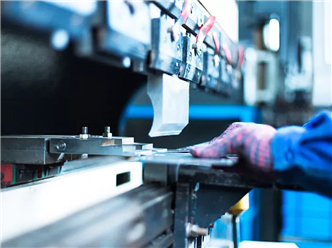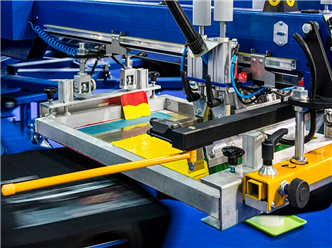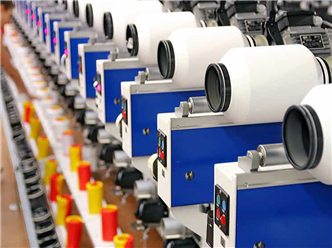

Embossed intelligent service robots, with their physical form and integrated capabilities of perception, decision-making, and execution, are rapidly penetrating multiple fields and becoming a core force driving industrial intelligent upgrading. The following analysis examines them from four dimensions: application scenarios, technological breakthroughs, market potential, and challenges.
I. Core Application Scenarios: From Single Tasks to Full-Scenario Coverage
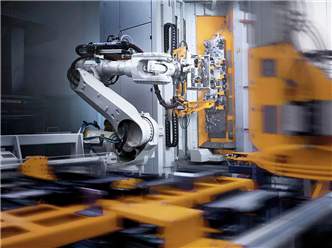
Industrial manufacturing: a key driver of flexible production
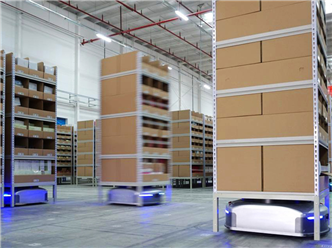
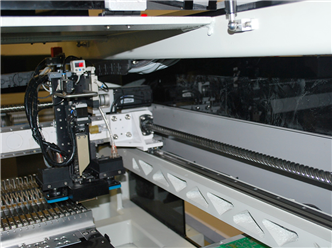
Scenario: In unstructured production scenarios such as 3C and automobile manufacturing, robots achieve deep collaboration in assembly, transfer, and inspection processes through multimodal perception and autonomous decision-making. For example, Micro-Easy Manufacturing applies industrial embodied intelligent robots in its new energy vehicle production line to complete high-precision autonomous operations for PCB loading and unloading, with an investment payback period of only one year.
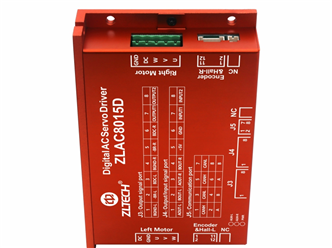
Value: Breaking through the limitations of the traditional "fixed program" of industrial robots, it achieves multi-machine collaboration and flexible manufacturing through a "brain-brain" collaborative architecture (the brain is responsible for decision-making, and the cerebellum is responsible for motion control), improving production efficiency by more than 30%.
Service Industry: A "New Paradigm" of Human-Machine Collaboration
Scene:
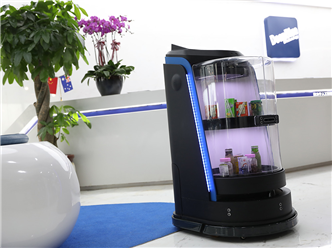
Hotels/Restaurants: Robots perform tasks such as greeting guests, cleaning rooms, and serving food. For example, Keenon Robotics robots operate collaboratively in the Shanghai Hongqiao Shangri-La Hotel, improving service process consistency.
Retail: Galaxy General deploys humanoid robots with the "Galaxy Space Capsule" as the core to build a 24/7 autonomous retail system, reducing labor costs by 40%.
Healthcare: Surgical robots assist in precise procedures, rehabilitation robots help patients with personalized training, and nursing robots provide long-term care services.
Value: Through natural language interaction and affective computing capabilities, robots are upgraded from "tools" to "partners," increasing customer satisfaction by more than 25%.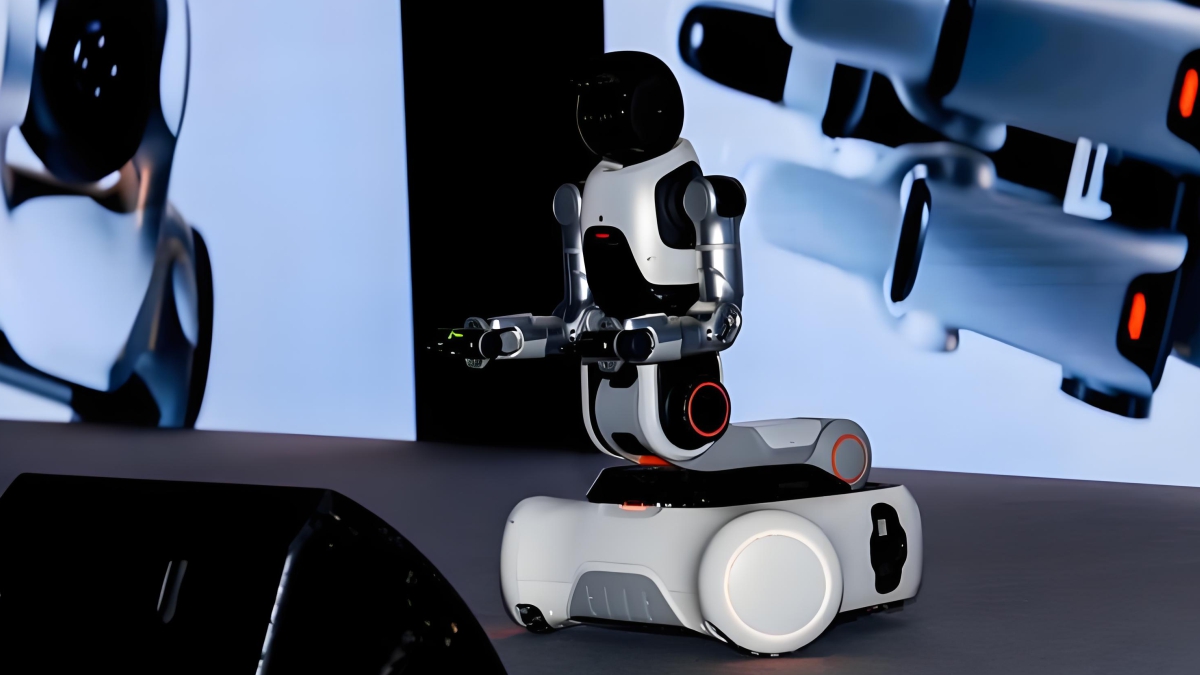
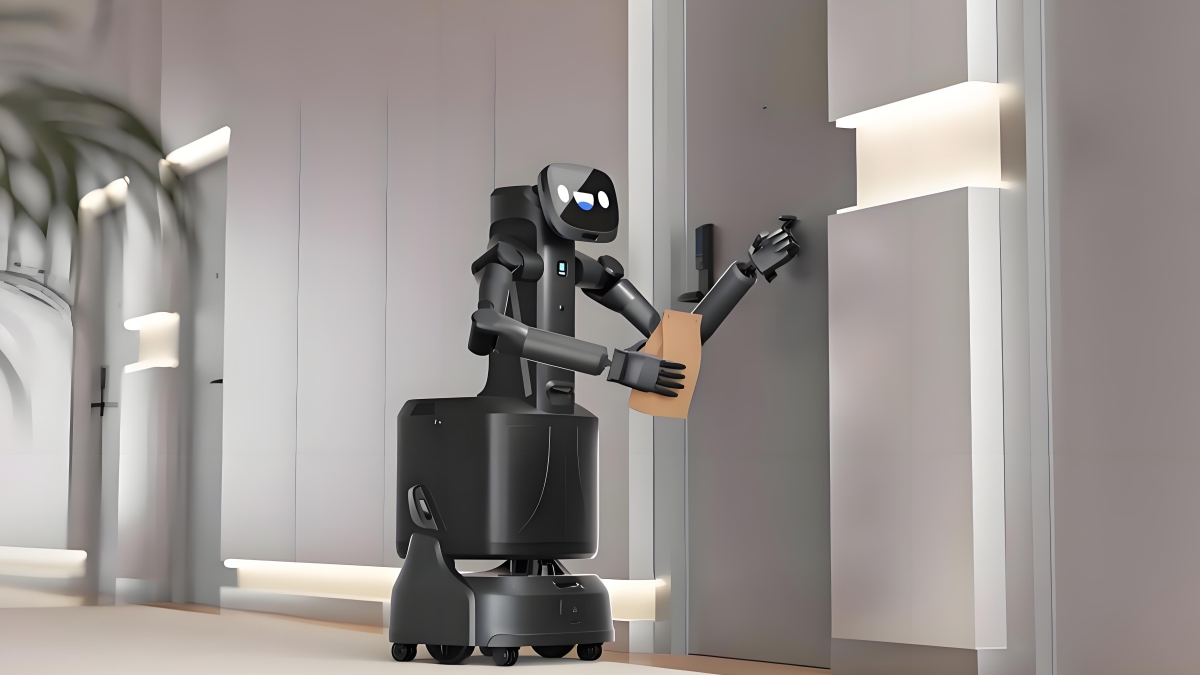
Emergency Rescue: "Guardians of Life" in High-Risk Environments
Scenario: In extreme environments such as earthquake ruins and fire scenes, robots equipped with sensors and thermal imagers perform tasks such as material transportation and personnel search and rescue. For example, in the 2025 International Embodied Intelligence Skills Competition, participating robots were required to complete challenges such as heavy-load transportation and traversing ruins within a 10m x 30m track, autonomously and stably executing tasks despite communication delays.
Value: Reduces the risk of casualties and increases rescue efficiency by more than 50%.
II. Technological Breakthroughs: The "Core Engine" Driving Application Deployment
Multimodal perception and decision making
By fusing multiple sensors, including vision, hearing, and touch, robots can comprehensively perceive environmental information. For example, the Pelican-VL 1.0 large model, open-sourced by the Beijing Humanoid Robotics Innovation Center, achieves millimeter-level mechanical control of delicate objects such as water cups and eggs, with a repeatability accuracy of ±0.3 millimeters.
Large model and world model synergy
Large-scale models endow robots with language understanding and task planning capabilities, while world models provide essential environmental features. The fusion of these two enhances the robot's generalization ability. For example, Tesla's Optimus humanoid robot completes complex operations in a battery factory using natural language commands, achieving a task decomposition accuracy rate of 92%.
Modular hardware and software
On the hardware side: the chassis, robotic arm, and end effector can be plugged in and combined to achieve flexible configuration of capabilities; on the software side: the skill library and modular APIs support on-demand loading of functions. For example, the flexible production line verification by Logic Robotics and Longcheer Technology shows that humanoid robots can quickly adapt to different processes.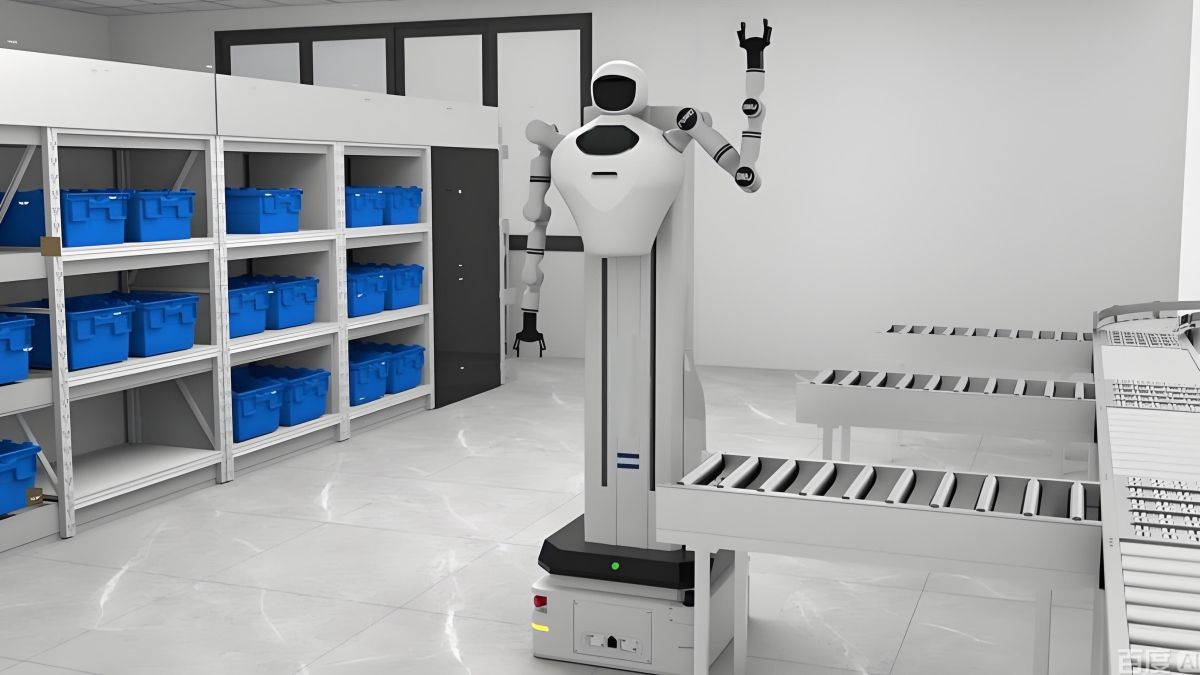
III. Market Potential: The Core Engine of Global Growth
Explosive growth in market size
According to IDC forecasts, spending by Chinese users on embody intelligent robots will exceed $1.4 billion in 2025 and soar to $77 billion in 2030, with a compound annual growth rate of 94%, accounting for nearly 80% of the global market.
Application areas continue to expand
Beyond industry, services, and emergency response, robots are penetrating emerging scenarios such as smart homes, smart agriculture, and energy inspection. For example, in the smart home sector, robots can control home appliances and monitor security; in the energy sector, robots are used for power equipment inspection, improving troubleshooting efficiency by 60%.
Business model innovation
The company is shifting from one-time sales to RaaS (Robots as a Service) leasing and subscription models, reducing initial investment for users. For example, Keenon Robotics has achieved fully automated processes by combining "smart vending machines + delivery robots," increasing customer loyalty by 30%.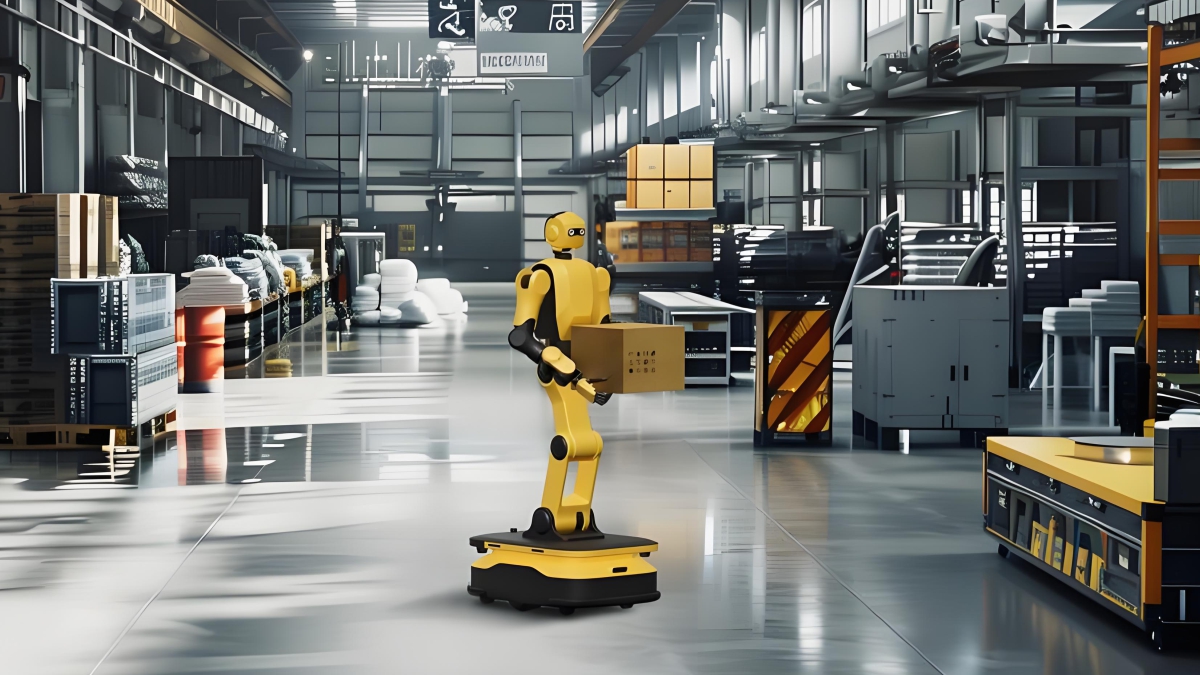
IV. Challenges and Future Directions
Technical challenges
Data quality: Robots require massive amounts of real-world data for training, but data collection is costly and labeling is difficult. For example, the Tianjin Robot Data Factory collects 500,000 high-quality data points daily, but this still falls short of meeting the demand.
Cross-scenario adaptation: Different industries have different needs for robots, so it is necessary to improve the level of hardware standardization and software modularization.
Ethics and Safety
A safety assessment system and ethical guidelines need to be established to ensure the reliability of robot decision-making in complex environments. For example, in medical settings, robot operation needs to be validated through behavioral norms and analyzed for decision interpretability.
Future Direction
Multi-morph robot collaboration: Constructing a composite operational system of humanoid, wheeled, and multi-legged robots to improve system efficiency. For example, Keenon Robotics combines general-purpose humanoid robots with specialized service robots to form a typical collaborative application model.
Global competition: China has become a core contributor to global industrial growth thanks to its advantages in scenarios and technological innovation, but it needs to cope with competitive pressure from European and American companies and strengthen brand building and breakthroughs in core technologies.
Mailbox:sales@zlingkj.com
Office address:303, 3rd Floor, Building B, Fenghuang Zhigu, Tiezi Road, Xixiang Street, Bao'an District, Shenzhen
Factory address:7th Floor, Building 1, XinLiKang LeChuangLi Smart Industry Park, No. 106 Changdong Road, Changping Town, Dongguan City, Guangdong Province, 523570.