
When it comes to resistors, people will definitely think of one person: Ohm.
Georg Simon Ohm (1787-1854) was a German physicist. Born in Erlangen, Bavaria. The discovery of Ohm's Law and its formulas has brought great convenience to electrical calculations. In commemoration of him, people set the unit of resistance as ohms, abbreviated as "ohms".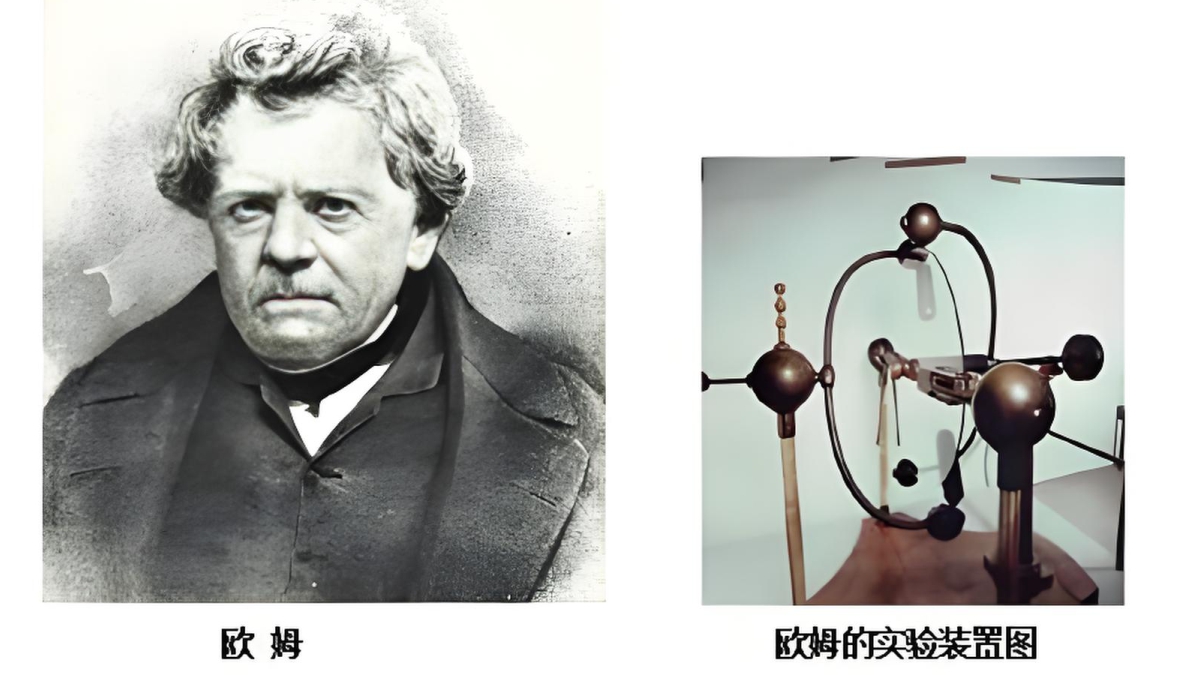
1、 Definition of Resistance
Resistance is a physical quantity that describes the conductivity of a conductor, represented by R, and is used to measure the strength of the current blocking effect of the conductor, that is, the quality of its conductivity.
Resistors usually play a role in voltage and current division in circuits. For signals, both AC and DC signals can pass through resistors. When the voltage at both ends of the conductor is constant, the larger the resistance, the smaller the current passing through; On the contrary, the smaller the resistance, the greater the current passing through. At this point, something is needed to reduce the current flowing through the circuit. Resistance plays this role. Simply put, the function of a resistor is to reduce the current flowing through a circuit
2、 The function of resistance
The main functions of resistors in circuits include the following aspects:
1. Voltage regulation: By changing the resistance value, the voltage in the circuit can be regulated. The larger the resistance, the lower the voltage; The smaller the resistance, the higher the voltage. This regulation function is particularly important in power circuits because the power circuit needs to generate a stable output voltage.
2. Current limitation: When current passes through a resistor, the resistor generates a voltage drop, which limits the magnitude of the current. By selecting appropriate resistance values, the current in the circuit can be limited to prevent overload and equipment damage.
Thermal effect control: When current passes through a resistor, the resistor will generate heat. This thermal effect can be controlled by selecting appropriate resistance values and connection methods to protect the circuit from overheating damage.
3. Signal processing: Resistors play an important role in signal processing. For example, it can be used to attenuate signal amplitude, balance signals, adjust amplifier gain, etc.
4. Circuit protection: Resistors can serve as circuit protection components. For example, in a power circuit, a resistor can be connected in series to absorb transient voltages and protect the circuit from surge currents.
Voltage division and current division: In complex circuits, resistors are often used for voltage division and current division. Voltage division refers to dividing the power supply voltage into different levels to meet the operational requirements of different circuit components. Diversion refers to dividing current into different branches to achieve balanced distribution of loads.
5. Filtering: Resistors and capacitors together can form a filter, which is used to filter out high-frequency noise in the power supply and improve the stability of the circuit.
6. Sensor: Resistors can be used as sensors in measurement systems. For example, by measuring the voltage changes across a resistor, physical quantities such as pressure, temperature, and displacement can be indirectly measured.
7. Impedance matching: In transmission lines or high-speed circuits, resistors can be used for impedance matching to reduce signal reflection and energy loss.
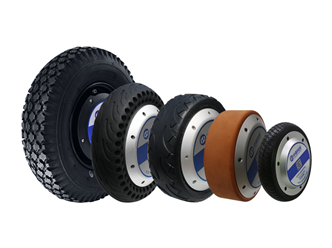
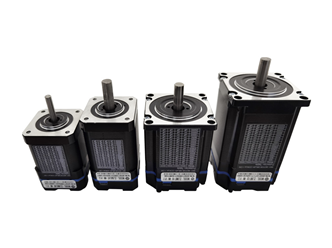
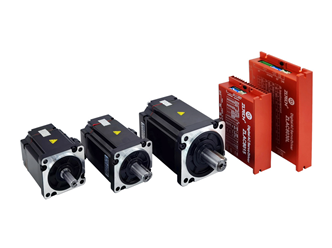
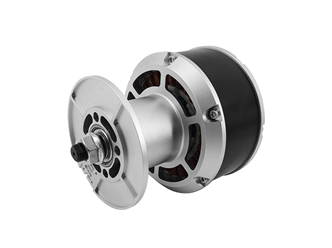
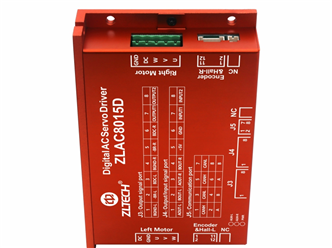
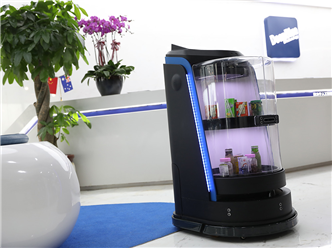
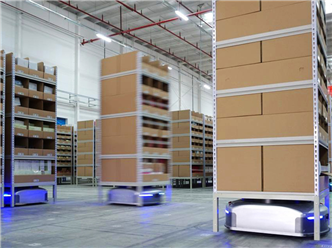
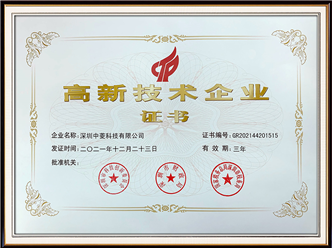
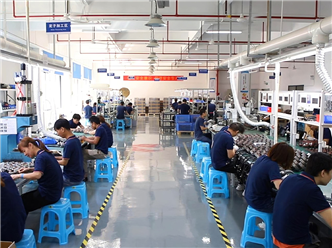
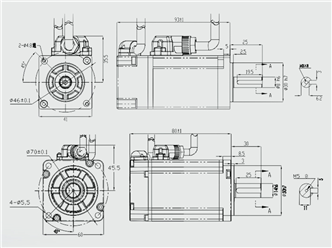
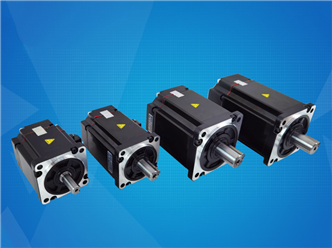
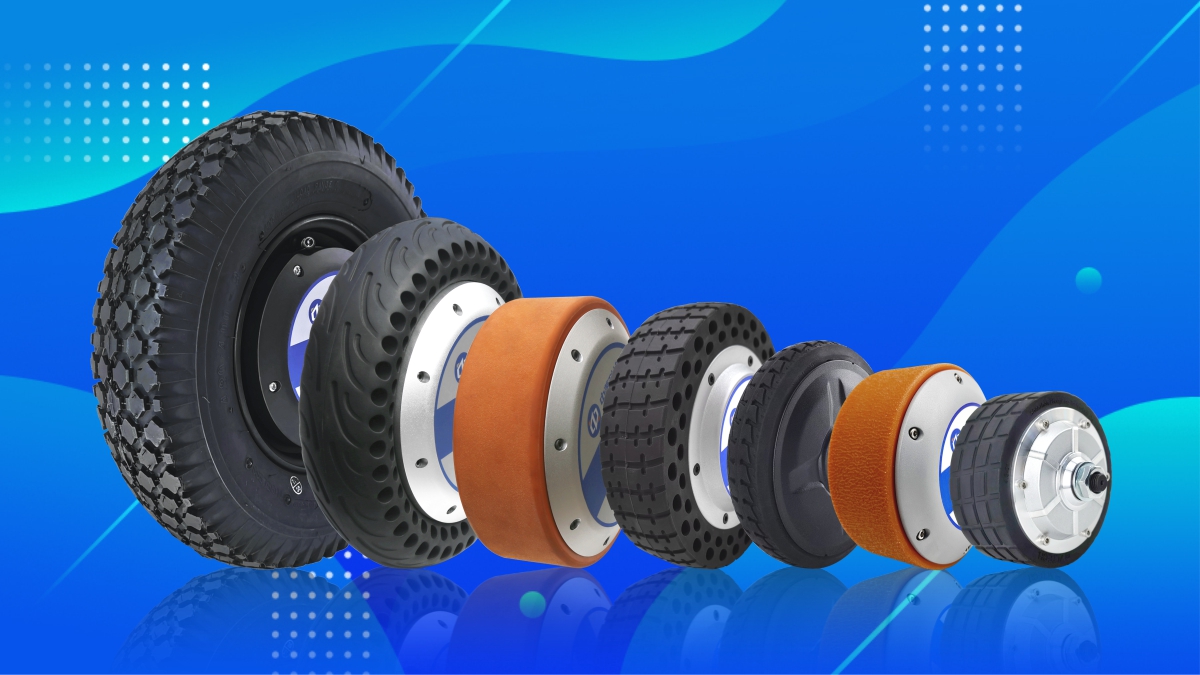
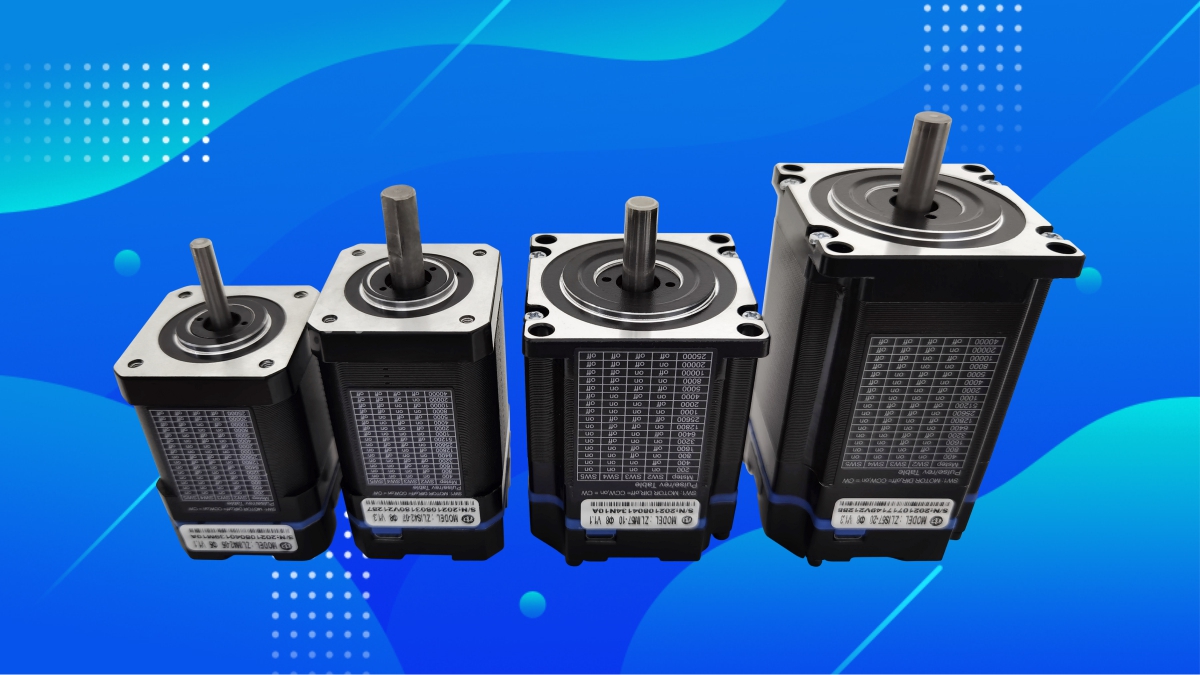
Resistance is an essential concept in electronic and power systems. Its role is extensive and important, from basic voltage regulation and current limiting to complex signal processing and circuit protection, where resistors play a critical role. Correctly understanding and applying the concept and function of resistors is one of the important tasks of electronic engineers and power engineers. Shenzhen Zhongling Technology products use various resistors and has been deeply rooted in the motion control industry for many years. It is a national high-tech enterprise that integrates research and development, manufacturing, and sales, and has multiple patents and intellectual property rights. The wheel hub motors designed specifically for the robot and AGV fields have been widely recognized in the market, with designs and production for wheel hub motors ranging from 4-16 inches, and support for customized products, allowing customers to have more choices. There is more than one ace, and small-sized, high-precision integrated stepper motors are also the best choice for customers who need high integration. While ensuring product performance, Zhongling is also striving for price breakthroughs, just to allow customers to use better products at a lower price. 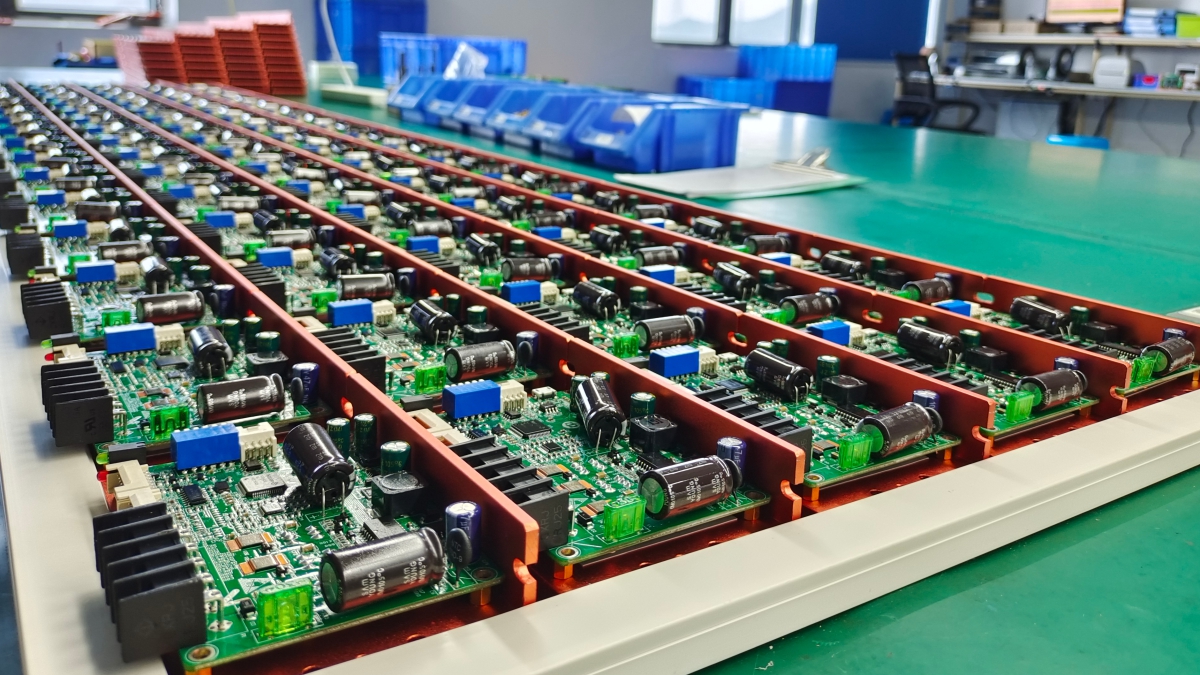
Mailbox:sales@zlingkj.com
Office address:303, 3rd Floor, Building B, Fenghuang Zhigu, Tiezi Road, Xixiang Street, Bao'an District, Shenzhen
Factory address:7th Floor, Building 1, XinLiKang LeChuangLi Smart Industry Park, No. 106 Changdong Road, Changping Town, Dongguan City, Guangdong Province, 523570.