
On May 31, 2026, a special signing ceremony was held on the West Artificial Island of the Shenzhen China Passage. Shenzhen Culture and Tourism Industry Development Co., Ltd. has officially reached a strategic cooperation agreement with Purdue Robotics to create the world's first smart hotel that realizes full process robot services. The plan is to conduct trial operation by the end of 2026 and fully open in early 2027. This hotel, which plans to have 44 high-end guest rooms, will have robots handle all services from welcome, delivery, cleaning to security inspections.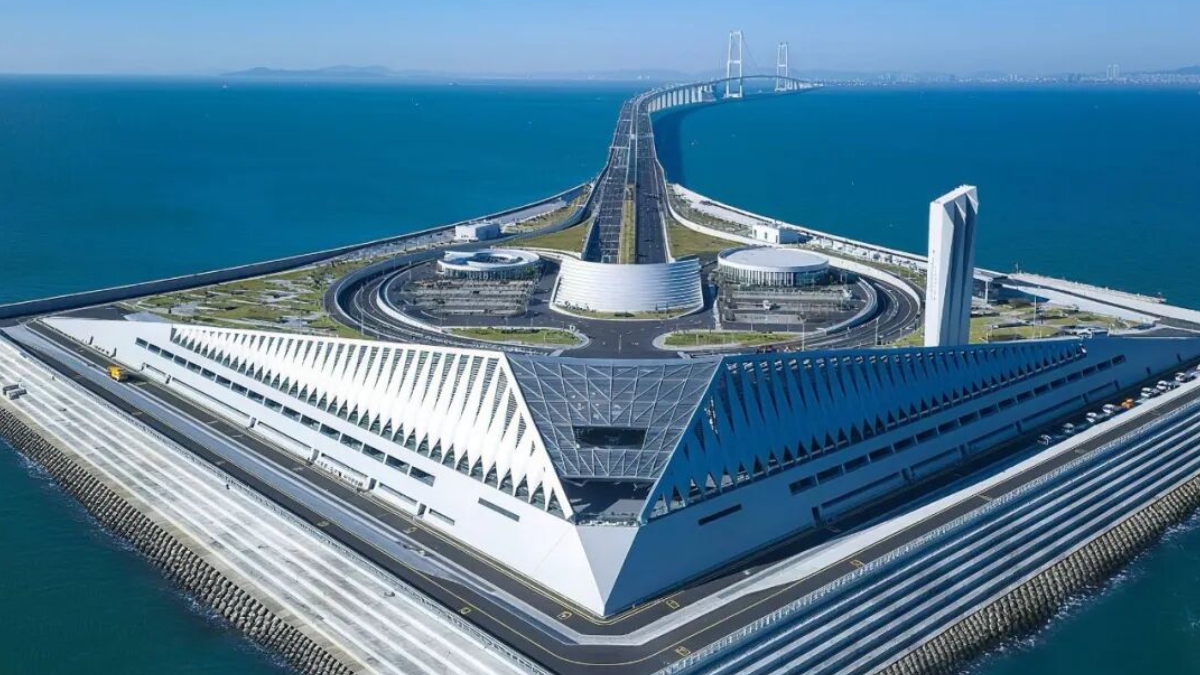
From local application to full scene closed-loop
Unlike traditional hotels that sporadically deploy delivery robots, the breakthrough of this cooperation lies in "full scenario" and "full chain". The hotel will cover seven core scenarios including guest reception, luggage handling, room delivery, catering services, comprehensive cleaning, security inspection, and interactive companionship, achieving "no manual interruption and no service blind spots".
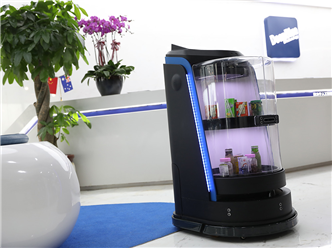
At the signing ceremony, a preview of the future hotel was presented: T300 heavy-duty robot demonstrated 300kg luggage handling; CC1 Pro cleaning robot automatically recognizes stains and completes cleaning; Delivery robots shuttle to deliver coffee drinks; The humanoid robot interacts and dances with the guests. Guo Tang, co-founder and CTO of Purdue Robotics, introduced that various types of robots are based on the same technological foundation, like collaborative teams, and can cooperate independently and make intelligent decisions.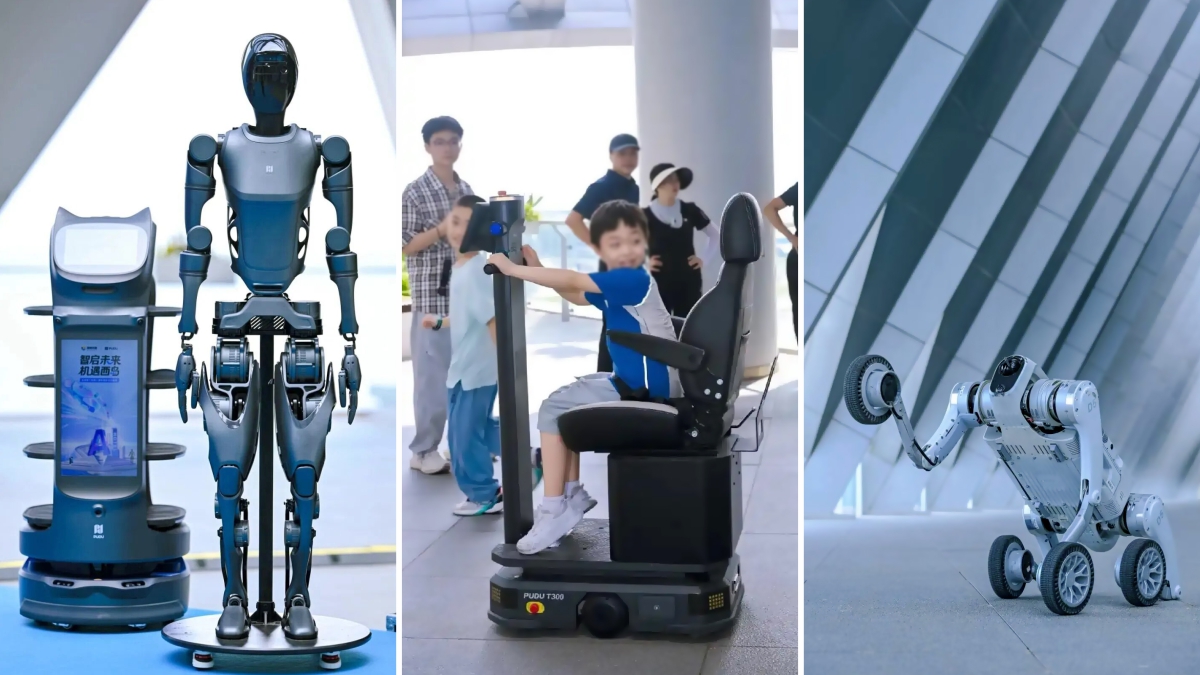
Lessons Learned from the Past: Lessons Learned from Japan's "Haiyina"
This is not the first time humans have attempted a fully robotic hotel. In 2015, Japanese company HIS opened the world's first robot hotel "Hainana" in Nagasaki, claiming that more than 70% of the work was done by robots. The occupancy rate was as high as 90% at the beginning of the opening, and then expanded to 8 branches.
However, this experiment soon encountered braking. In 2019, Haiyina announced a large-scale layoff of robots, with more than half of the robot employees being decommissioned, returning from "full robot service" to human-machine collaboration mode. The root cause: insufficient technological maturity - at that time, robots could only handle standardized instructions and were helpless in the face of personalized needs; The cost account cannot be calculated - the procurement and maintenance costs remain high, and additional personnel have to be added to "wipe the buttocks" when there is a malfunction; The lack of temperature in hotel services - cold machines cannot fill guests' expectations for emotional value.
Why does Shenzhen dare to try again?
After more than ten years, Shenzhen's confidence comes from the intergenerational leap of technology. AI big models endow robots with reasoning and generalization abilities, no longer just mechanical arms that can execute fixed programs; China's mature industrial chain and scale advantage make it possible to solve the cost problem.
Deeper is the uniqueness of the scene. The West Artificial Island itself is a world-class cross sea project, combining super engineering genes, scarce island landscapes, and the core location of the Greater Bay Area. Xiao Han, the head of the Smart Cultural and Tourism Department of Shenzhen Cultural and Tourism Company, stated that the core goal is to "transform the value of super engineering into cultural and tourism value, and transform the past traffic flow into retention capacity.
This hotel is not pursuing a cold "zero manual" approach, but rather through remote operation and emergency teams in the background, allowing robots to undertake repetitive labor while humans focus on emotional care. It is essentially a limit test about whether efficiency and temperature can be achieved simultaneously.
The turning point of intelligentization in the hotel industry
In fact, hotel robots in China are no longer a novelty. From Yunji, Qinglang to Pudu, delivery robots have run commercial models in tens of thousands of hotels; Gaoxian cleaning robots are gradually entering chain brands such as First Travel Home. A study conducted by The Hong Kong Polytechnic University covering 357 hotels even quantified the revenue increasing effect of robots: for every 1000 additional robot tasks, RevPAR (revenue per available room) increased by 9.63%.
However, there is still a long way to go from "human-machine collaboration" to "full process unmanned" - the interfaces of elevators, access control, PMS systems are not unified, the operation and maintenance capabilities of small and medium-sized hotels are insufficient, and it is not uncommon for equipment to become mere decorations.
When this' future landmark 'is unveiled in 2027, whether it can truly run the commercial model of a fully robotic hotel and make guests willing to come back after staying once, the answer may be more worth paying attention to than the technology itself. The essence of a hotel is ultimately the service industry. Technology can change the form of service, but it can never replace the warmth between people.
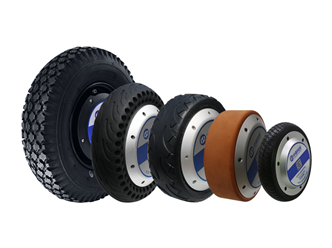
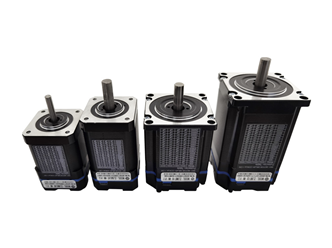
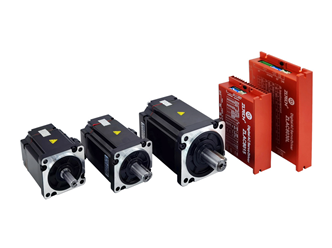
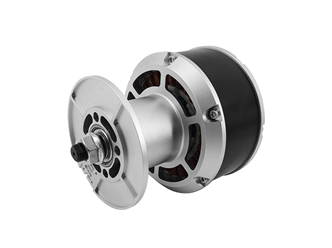
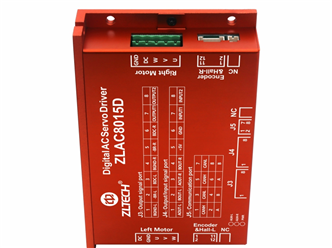
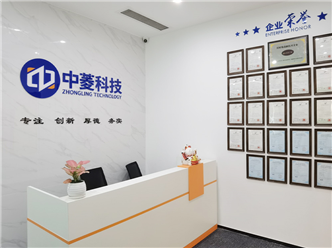
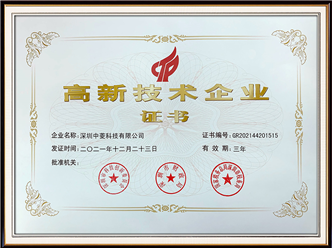
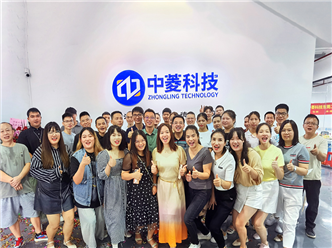
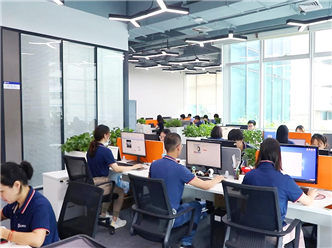
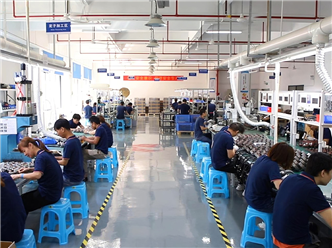
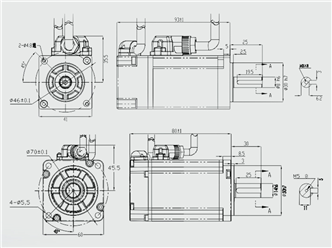
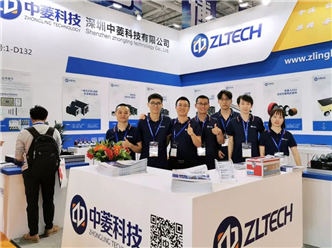
Shenzhen Zhongling Technology is a research, development, production, and manufacturing enterprise that has long provided robotics companies with accessories and applications such as in-wheel motors and drives. Since the launch of its robotic in-wheel motor series in 2015, its products have accompanied thousands of customers in over 100 countries worldwide, establishing a leading position in the industry. Shenzhen Zhongling Technology is committed to the concept of bringing the best products to customers, with a complete research, development, and sales system that can provide customers with the best purchasing experience.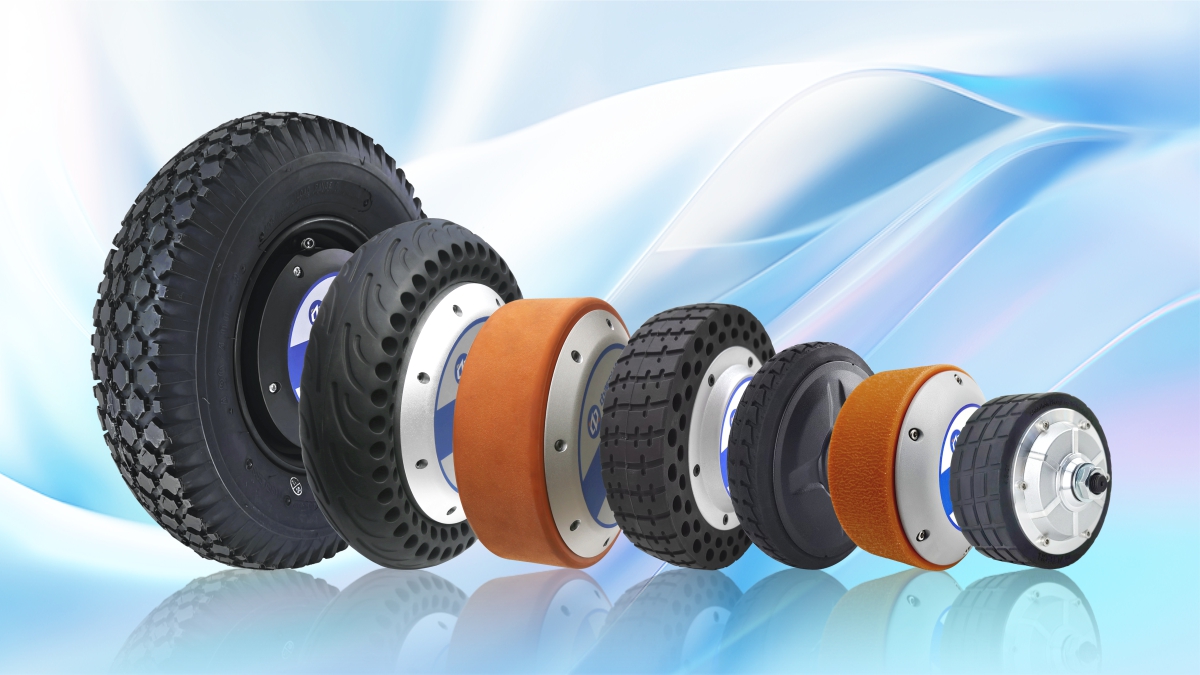
Mailbox:sales@zlingkj.com
Office address:303, 3rd Floor, Building B, Fenghuang Zhigu, Tiezi Road, Xixiang Street, Bao'an District, Shenzhen
Factory address:7th Floor, Building 1, XinLiKang LeChuangLi Smart Industry Park, No. 106 Changdong Road, Changping Town, Dongguan City, Guangdong Province, 523570.