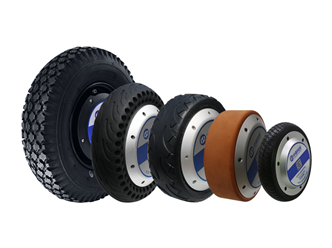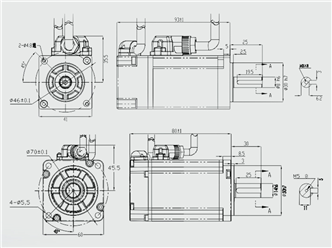

In the field of industrial automation, there is a seemingly inconspicuous yet crucial component that silently supports every precise movement and efficient operation of a robot—the robot's polyurethane (PU) coated hub motor wheel. Polyurethane material possesses excellent oil and corrosion resistance, making it suitable for industrial environments containing mild chemical media, thus broadening the applicability of the equipment. In the robotics industry, polyurethane tires are primarily used for hub motors with heavy loads. The core issue in selection is matching appropriate parameters based on working conditions and requirements; key parameters include coating thickness, tread pattern, Shore hardness, and material system.
1. Coating thickness
1) Thin adhesive: 3~6mm: light load, good heat dissipation; short wear life, easy to delaminate under overload.
2) Standard: 8~15mm: Used in AGVs and AMRs, the most common type.
3) Thick rubber: 15~30mm: Applied to heavy-duty forklift wheels, it provides better cushioning, but the PU generates a lot of heat inside, and continuous rolling can easily cause the temperature to rise and the rubber to detach.
2. Pattern
1) Smooth, unpatterned surface: Low friction, easy to slip, but less prone to accumulating dirt and dust. For cleanrooms where the floor is kept dry and clean for extended periods, a smooth surface is an option.
2) Textured Tread: The mold surface is uniformly and finely etched with particles, resulting in a shallow, evenly distributed textured surface with no large grooves. This balances slip resistance, wear resistance, and noise reduction. For those who want to avoid high risk of chipping, a textured tread pattern is an option.
3) Twill: The grooves are distributed at an angle to the rolling direction. Twill is a good choice for frequent turning and small amounts of dust condensation.
4) Random Pattern Texture: The size and direction of the raised and recessed particles are random, with no fixed arrangement; it is rougher than ordinary textured surfaces, and the texture is irregular. For applications with high dust levels, low-speed intermittent operation, low power consumption, and maximum dry friction, the random pattern texture is an option.
5) Vertical grooves: Multiple continuous, thin grooves running in the direction of rolling; these grooves are mostly shallow. Vertical grooves are an option for purely linear conveyor wheels that rarely turn and may accumulate a small amount of water.
3. Shore hardness
1) 70~80A: Soft, good shock absorption, low noise; low load capacity, large indentation; suitable for light-load and quiet applications.
2) 85~90A: Balanced load-bearing capacity, wear resistance, and resilience; most commonly used in AGVs, AMRs, etc.
3) 92~96A: High load-bearing capacity, small deformation; poor shock absorption, weak impact resistance, prone to edge collapse on uneven ground; heavy-load fixed working conditions.
4) 97~98A: Extremely hard with minimal deformation; highly brittle, suitable only for stable, non-impact static heavy loads.
4. Material
1) Aliphatic: UV resistant, non-yellowing, and extremely weather resistant; however, due to its molecular structure, it is slightly less resistant to tensile, tearing, and abrasion than aromatics at the same hardness, and its cost is much higher.
2) Aromatic compounds: Their molecular structure contains a benzene ring; they have strong mechanical properties and low cost; their biggest drawback is that the benzene ring oxidizes under ultraviolet light, causing yellowing and mechanical degradation. They are perfectly fine for indoor use, but prolonged exposure to sunlight outdoors will gradually cause them to yellow, become brittle, and crack.
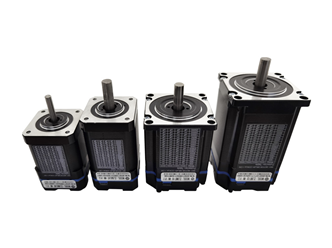
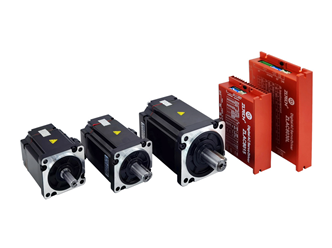
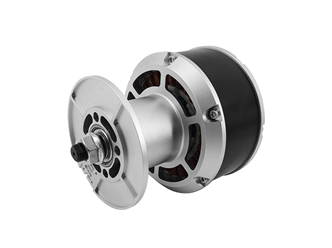
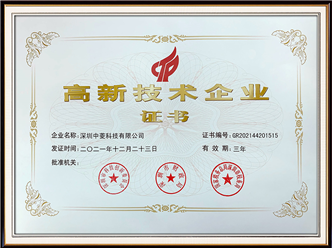
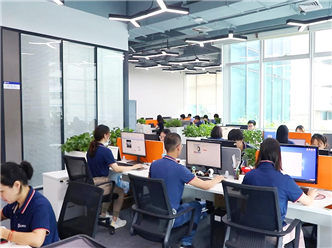
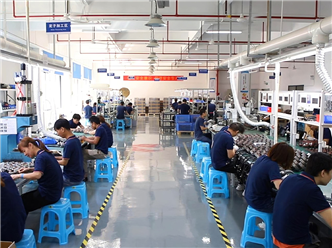
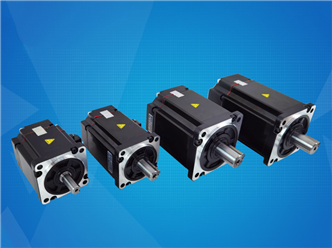
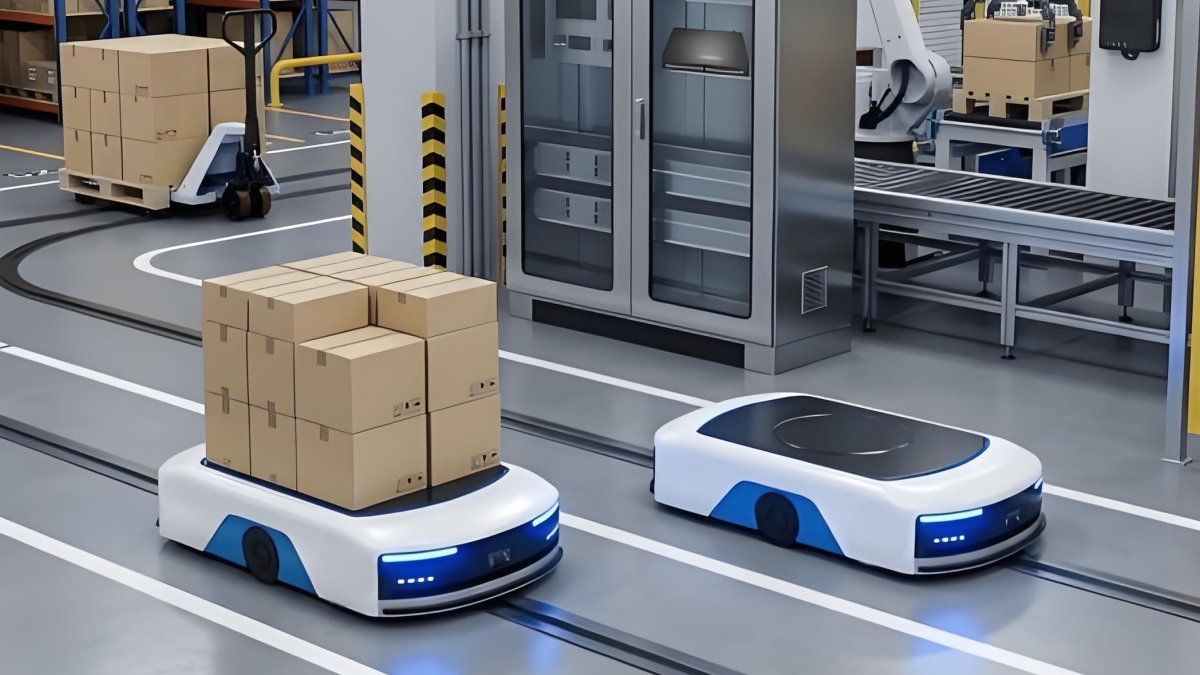
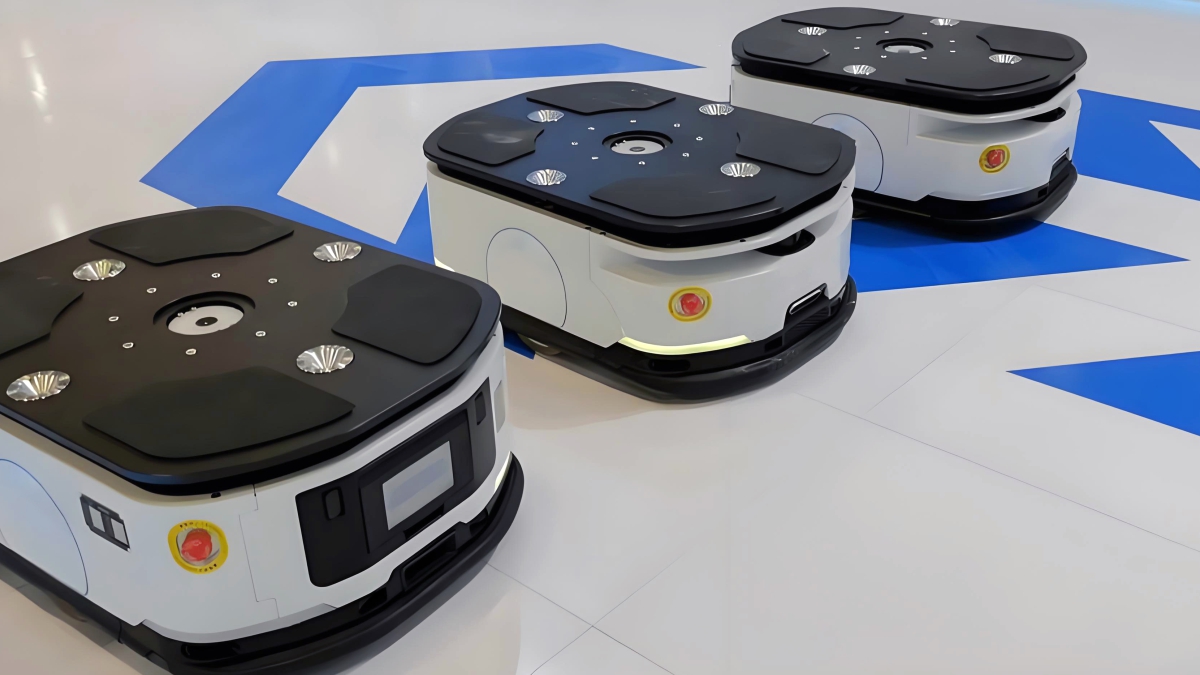
In summary, the selection of polyurethane tire parameters directly affects the traction performance, operating noise, service life, and failure rate of AGVs, AMRs, and robots as a whole, requiring a comprehensive balance considering load capacity, ground conditions, operating speed, and indoor/outdoor environment. Shenzhen Zhongling Technology Co., Ltd. has been deeply involved in the field of hub servo motors for many years. Its hub motors offer diverse options for polyurethane-coated wheels, supporting customized matching of coating thickness, tread pattern, PU material system, and Shore hardness. It provides suitable drive wheel solutions for different application scenarios such as indoor warehousing, humid conditions, and outdoor inspection, balancing power output and tire reliability to help industrial mobile robots achieve stable and efficient autonomous operation. 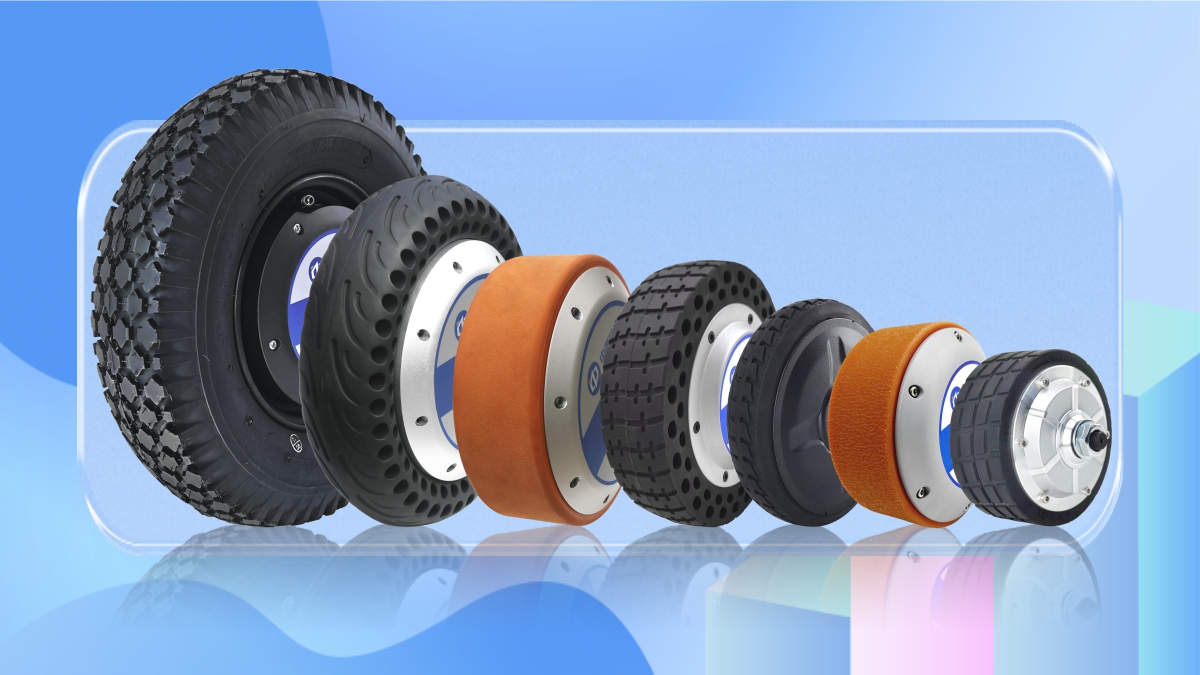
Mailbox:sales@zlingkj.com
Office address:303, 3rd Floor, Building B, Fenghuang Zhigu, Tiezi Road, Xixiang Street, Bao'an District, Shenzhen
Factory address:7th Floor, Building 1, XinLiKang LeChuangLi Smart Industry Park, No. 106 Changdong Road, Changping Town, Dongguan City, Guangdong Province, 523570.