
With the deep integration of technologies such as artificial intelligence and mechanical manufacturing, humanoid robots have moved from laboratory exhibits to practical applications, becoming an important force in promoting industrial upgrading and improving daily life. Characterized by a humanoid form and possessing perception, decision-making, and execution capabilities, they are gradually penetrating multiple fields such as industry, services, and specialized operations, ushering in a new era of human-machine collaboration. However, they also face multiple challenges, including technological and ethical ones.
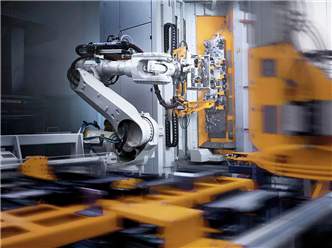
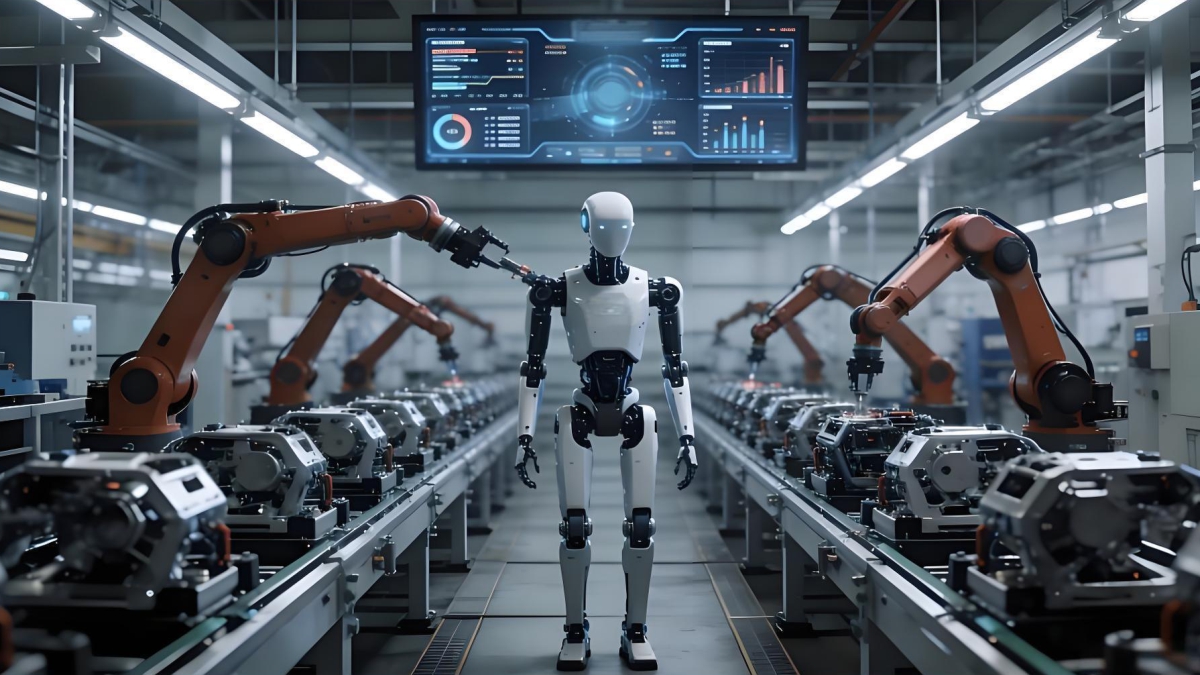
Currently, the application of humanoid robots has diversified, with the industrial sector being the most mature application scenario. In production lines for automobiles and 3C products, humanoid robots perform repetitive tasks such as handling, sorting, and quality inspection. UBTECH's Walker S robot precisely handles materials at BYD's factory, and Tesla's Optimus robot has also been used for factory training, effectively addressing the pain points of labor shortages and high labor costs in the manufacturing industry. In hazardous work scenarios, humanoid robots become "steel guardians," performing grinding and polishing in shipbuilding, conducting production line inspections in the petrochemical and power industries, and assisting in search and rescue operations in emergency scenarios such as fires and chemical spills, significantly reducing the risk of human casualties.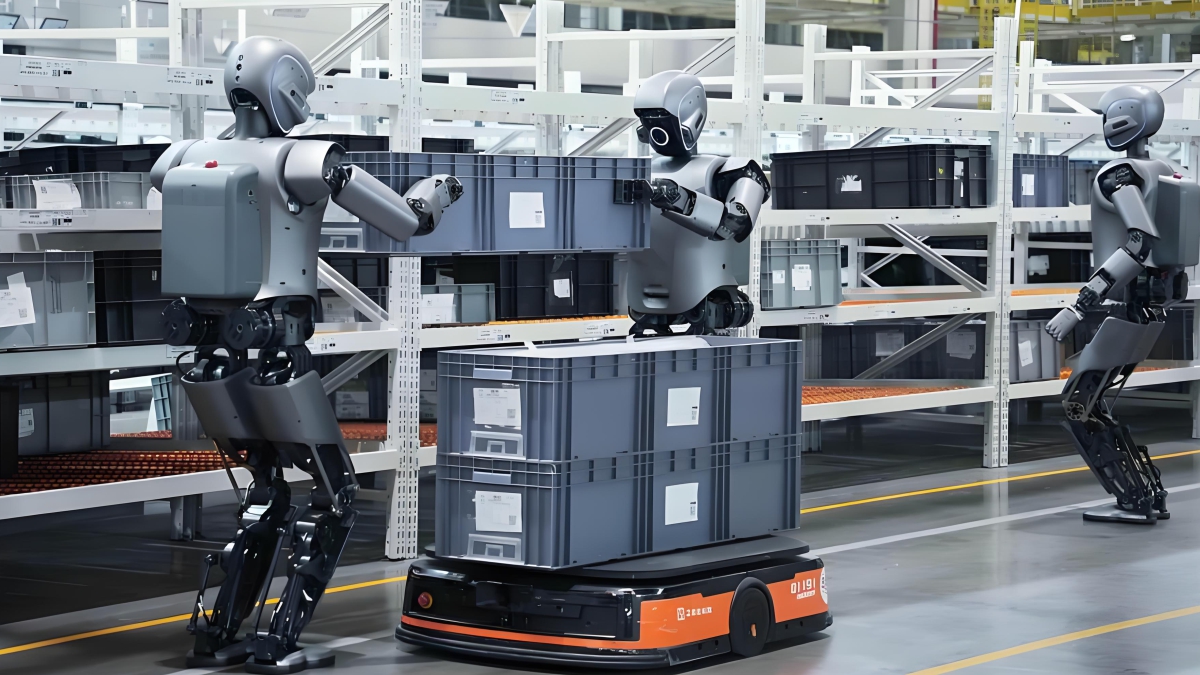
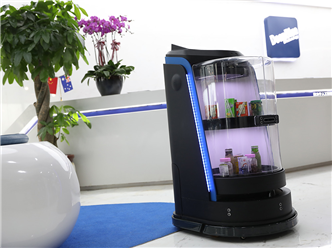
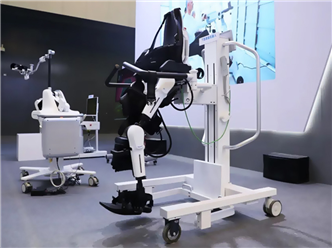
Applications in the service sector are bringing humanoid robots closer to daily life. In elderly care services, robots can provide services such as medication reminders and fall detection, alleviating the pressure of labor shortages in the elderly care industry. In commercial settings, Galbot robots in Beijing's Wangfujing shopping mall can autonomously interact with customers and grasp goods, while robots in shopping malls can provide guided tours and greeting services. Furthermore, humanoid robots are gradually being implemented in fields such as medical rehabilitation, agricultural production, and education and entertainment, from assisting stroke patients in rehabilitation to performing delicate fieldwork, and providing companionship and interaction for children, continuously expanding the boundaries of their services.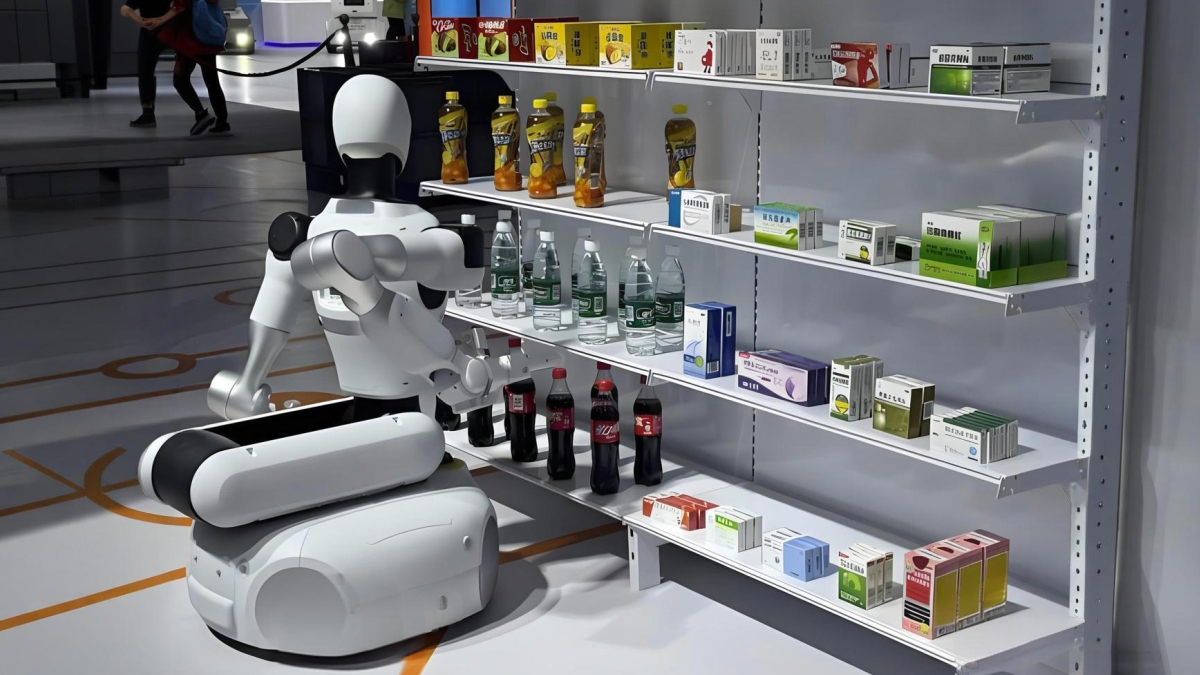
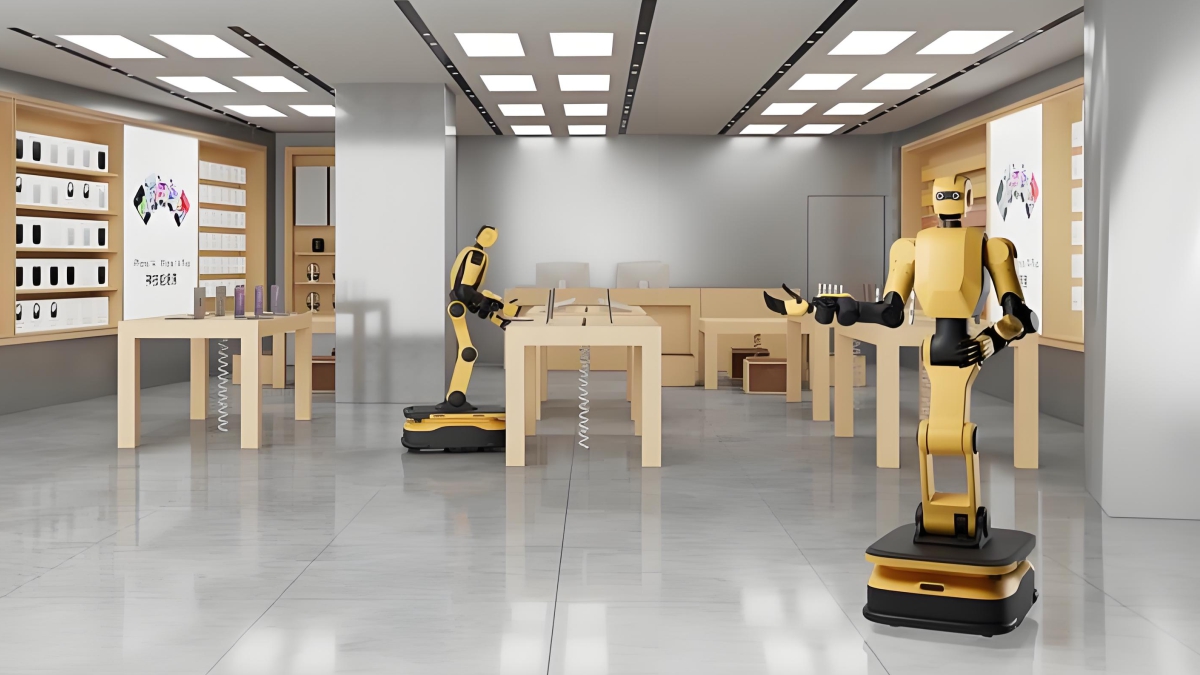
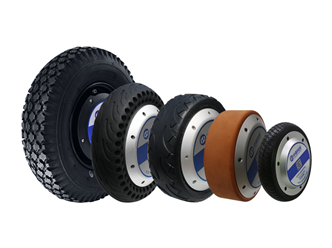
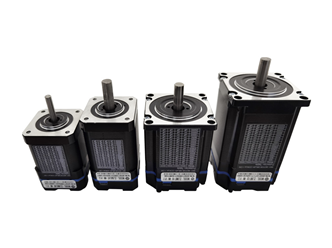
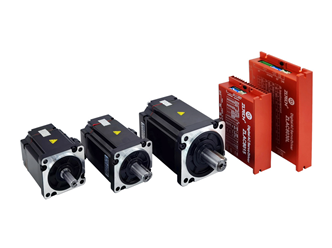
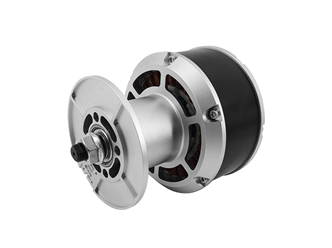
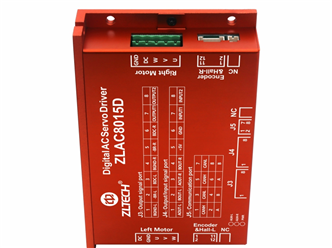
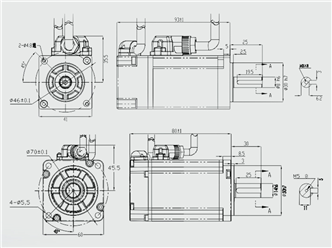
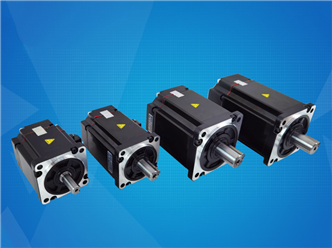
Technological breakthroughs are the core driving force behind the development of humanoid robots. Currently, technological advancements in humanoid robots focus on the co-evolution of the "brain," "cerebellum," and the robot itself. Large-scale AI models endow them with environmental perception and decision-making capabilities, motion control algorithms improve their coordination, and upgrades to core components such as servo motors and sensors enhance their dexterity and stability. While my country has made some breakthroughs in the localization of core components, high-end reducers and chips still rely on imports, hindering the large-scale development of the industry. Simultaneously, the development of embodied intelligence technology is propelling robots from "mechanical execution" to "intelligent collaborators," gradually enabling them to learn and reflect independently.
Despite its rapid development, humanoid robots still face numerous challenges. Technically, their stability and durability in complex environments need improvement, and their embodied intelligence has not yet reached the high standards required for practical application. At the industry level, the lack of unified industry standards has led to disordered development, and the high cost per unit also hinders large-scale adoption. Furthermore, issues such as data privacy protection and ethical oversight are becoming increasingly prominent. Upholding the principle of "AI for good" and clarifying developer responsibilities have become crucial prerequisites for the industry's development.
Looking ahead, humanoid robots will progress along the path of "technological breakthroughs → cost optimization → scenario expansion." As the localization of core components accelerates and mass production scales up, costs will gradually decrease, and application scenarios will further extend to non-standardized areas such as home services. Simultaneously, the improvement of industry standards and the establishment of ethical systems will promote the healthy development of the industry. In the future, humanoid robots will become important partners in human-machine collaborative symbiosis, replacing humans in high-risk, repetitive tasks, allowing humans to focus on more creative and compassionate fields, injecting new momentum into social development.
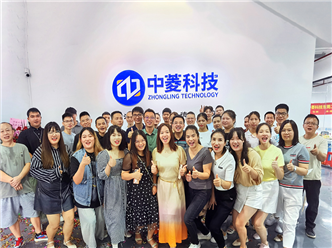
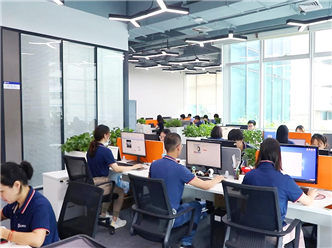
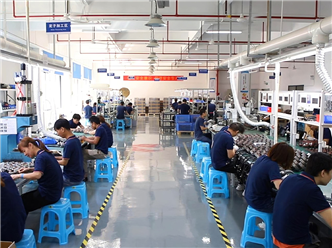
Shenzhen Zhongling Technology has been deeply involved in the robotics industry for many years. As an industry leader, it vigorously promotes the research and development of various customized solutions, with countless successful projects. These solutions align with the trends of the times and contribute to the development of the robotics industry.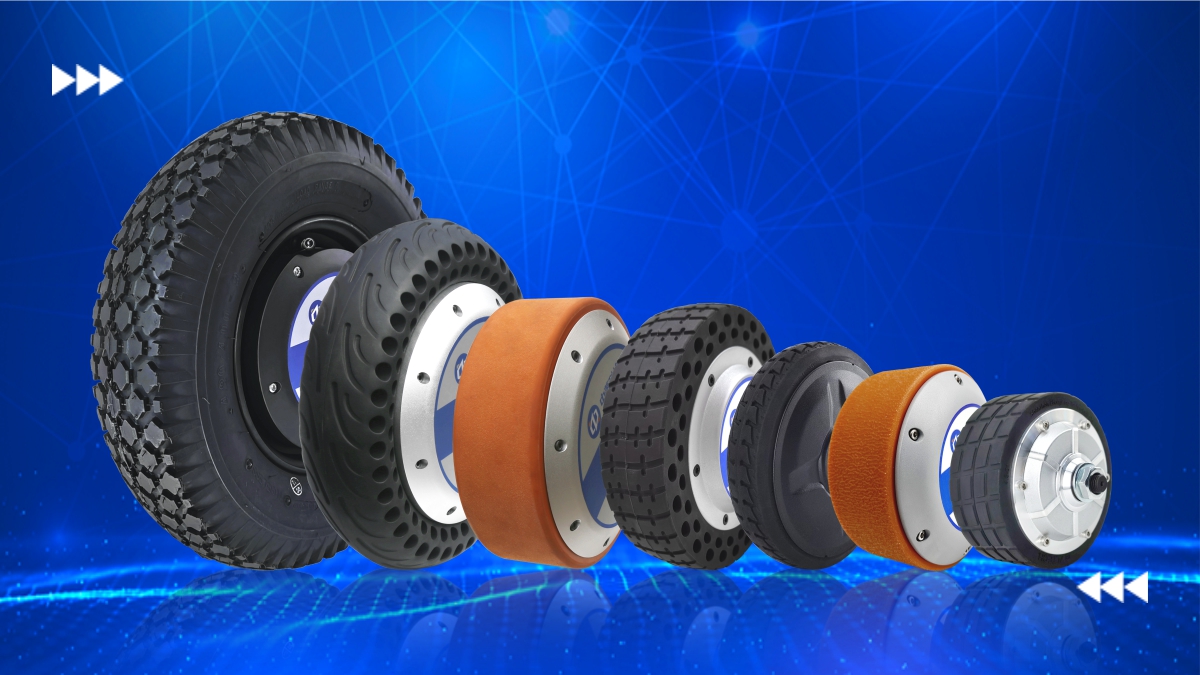
Mailbox:sales@zlingkj.com
Office address:303, 3rd Floor, Building B, Fenghuang Zhigu, Tiezi Road, Xixiang Street, Bao'an District, Shenzhen
Factory address:7th Floor, Building 1, XinLiKang LeChuangLi Smart Industry Park, No. 106 Changdong Road, Changping Town, Dongguan City, Guangdong Province, 523570.