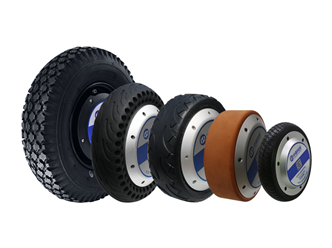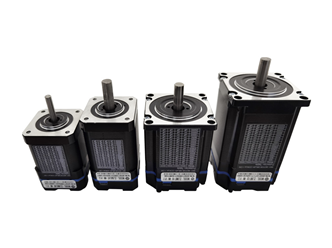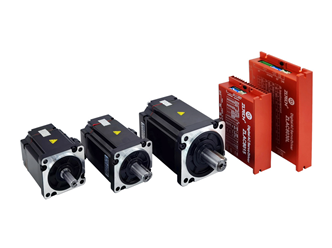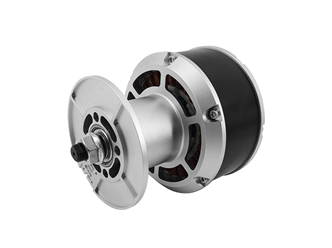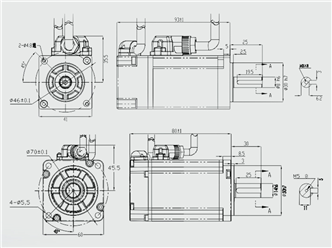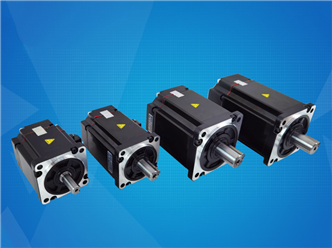

With the rapid development of intelligent robot technology, the reliability and safety of wheel hub motors, as the core driving components of mobile robots, directly determine the overall performance of the machine. In complex industrial environments, robots are inevitably prone to accidental collisions, tipping or even falling during transportation. How to ensure that the wheel hub motor can still work stably after being impacted? This cannot be achieved without a key quality verification method - drop testing.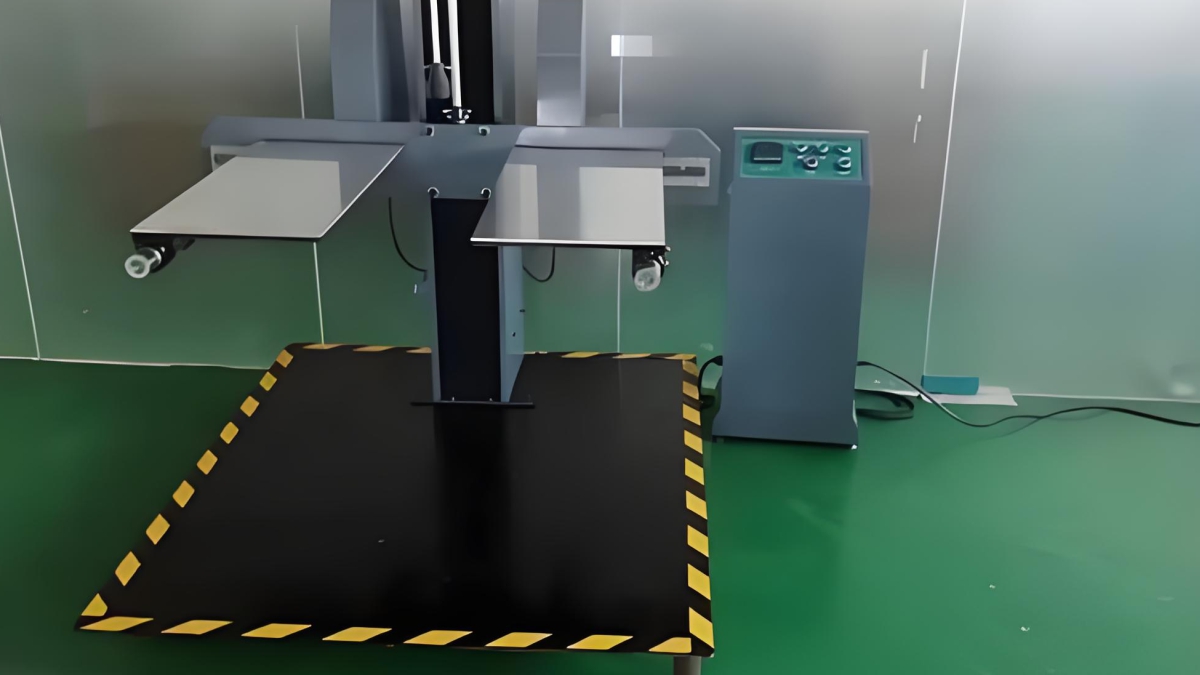
The drop test of robot wheel hub motors is an important means of simulating scenarios where robots may accidentally fall or collide during actual use or transportation. Through strict standardized testing, it evaluates the structural strength, impact resistance, and reliability of the motor. It is not only a quality checkpoint before the product leaves the factory, but also a solemn commitment to user safety.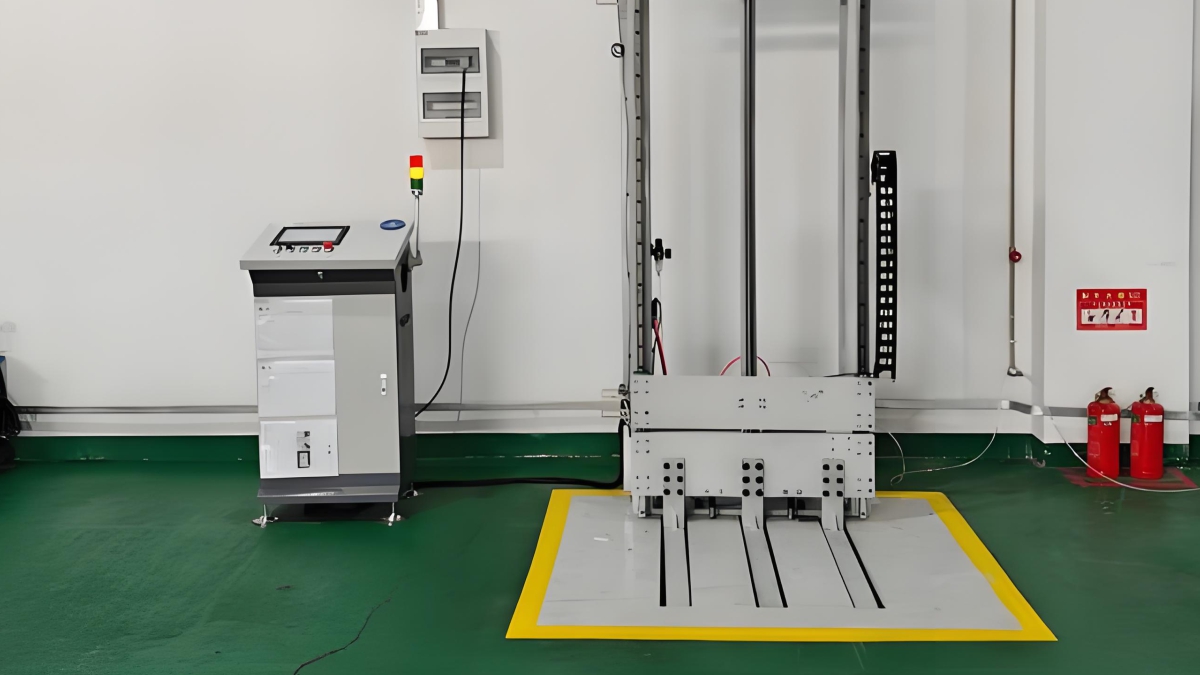
Imagine an AGV car shuttling through a warehouse suddenly sliding off a slope, or a service robot accidentally tipping over during transportation - if the wheel hub motor experiences shell rupture, magnetic misalignment, or encoder failure after impact, it could result in equipment shutdown for maintenance or even safety accidents.
The drop test is precisely to eliminate these hidden dangers. It can verify the survival ability of the motor under the harshest working conditions, ensuring that even after an accident, the motor can maintain its basic function or control damage within an acceptable range. For industrial robots that pursue high reliability, this is undoubtedly the "safety bottom line" of the walking system.
According to the national standard GB/T 39266-2020 "Reliability Requirements and Testing Methods for Mechanical Environment of Industrial Robots", the drop test of wheel hub motors mainly includes two methods:
Face drop test: Place the motor in its normal use position, tilt it around a bottom edge to a specified height (usually 100mm) or form a 30 ° angle with the tabletop, allowing it to fall freely onto a hard tabletop. This test focuses on evaluating the impact resistance of the motor's side and end faces.
Corner drop test: Place a 10mm wooden column under one bottom corner of the motor and a 20mm wooden column under the adjacent corner, rotate it around the edge to the other corner and lift it to the specified height before freely dropping. This method is specifically designed to test fragile parts such as motor lead out interfaces and end cap joints.
During the testing process, the motor is in an uncharged state, and the most vulnerable four directions are usually selected for drop to fully cover possible impact scenarios.
A qualified drop test is not just about "not falling". Before and after testing, we need to conduct a comprehensive "physical examination" of the motor:
1. Appearance inspection: The shell has no visible cracks or obvious deformation; The end cap and interface are not loose; The fasteners are not loose. This is the most intuitive qualification standard.
2. Insulation performance test: The insulation resistance between the winding and the shell must comply with product standards to ensure electrical safety is not affected.
3. Functional performance verification: The motor should be able to start normally, run smoothly, and have no abnormal noise; The encoder signal is accurate and error free; The braking function is normal. Only when all functions are in good condition can it be considered as truly passing the test.
4. Internal structure inspection (if necessary): By dissecting and observing whether the magnetic steel is broken, whether the bearing rotates flexibly, and whether the Hall element is damaged, ensure that the internal precision components are safe and sound.
Today, as the robotics industry moves towards intelligence and high reliability, the quality of wheel hub motors is no longer an option, but a must-have. Strict drop testing is like a solid defense line, guarding every step of the robot's movement.
For robot manufacturers, choosing wheel hub motors that have undergone rigorous drop testing verification means lower after-sales risks, higher user trust, improved overall reliability and brand reputation, and a wide range of application scenarios.
Although the robot wheel hub motor is small, it is the "heart" of the mobile robot walking system. Every rigorous drop test is an ultimate test of this' heart 'and a solemn commitment to user safety. On the path of pursuing excellent quality. Shenzhen Zhongling Technology Co., Ltd. always adheres to the strictest standards in the production and testing of every wheel hub motor, ensuring the stable walking of every robot. 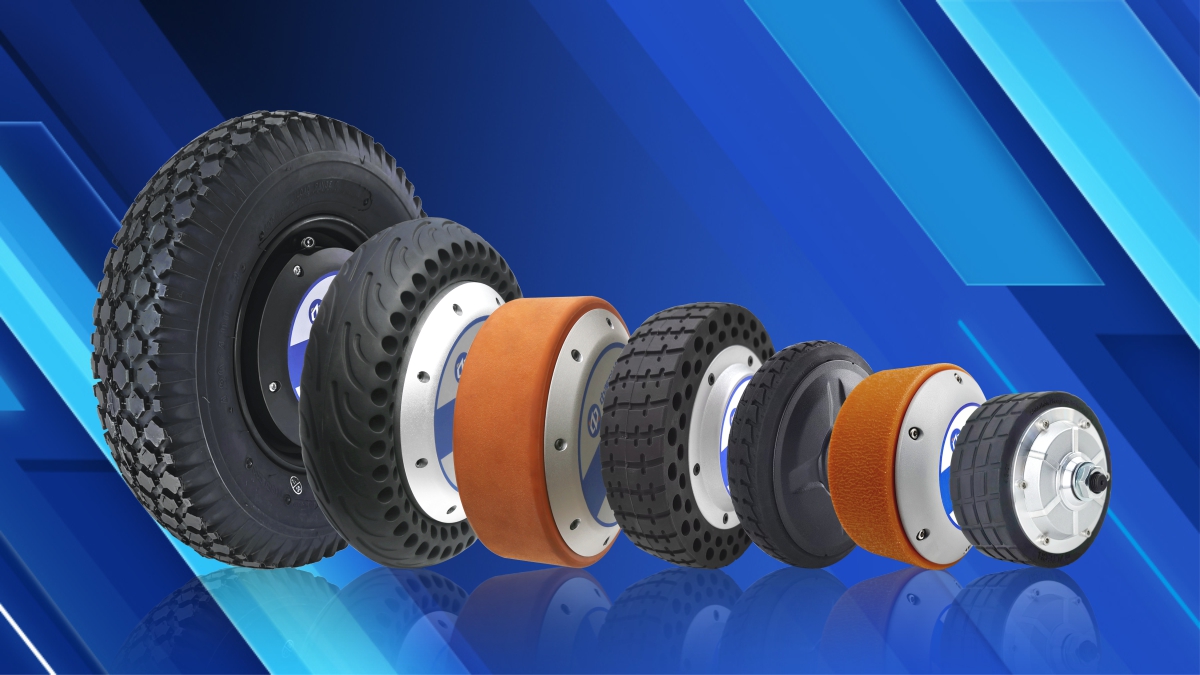
Mailbox:sales@zlingkj.com
Office address:303, 3rd Floor, Building B, Fenghuang Zhigu, Tiezi Road, Xixiang Street, Bao'an District, Shenzhen
Factory address:7th Floor, Building 1, XinLiKang LeChuangLi Smart Industry Park, No. 106 Changdong Road, Changping Town, Dongguan City, Guangdong Province, 523570.